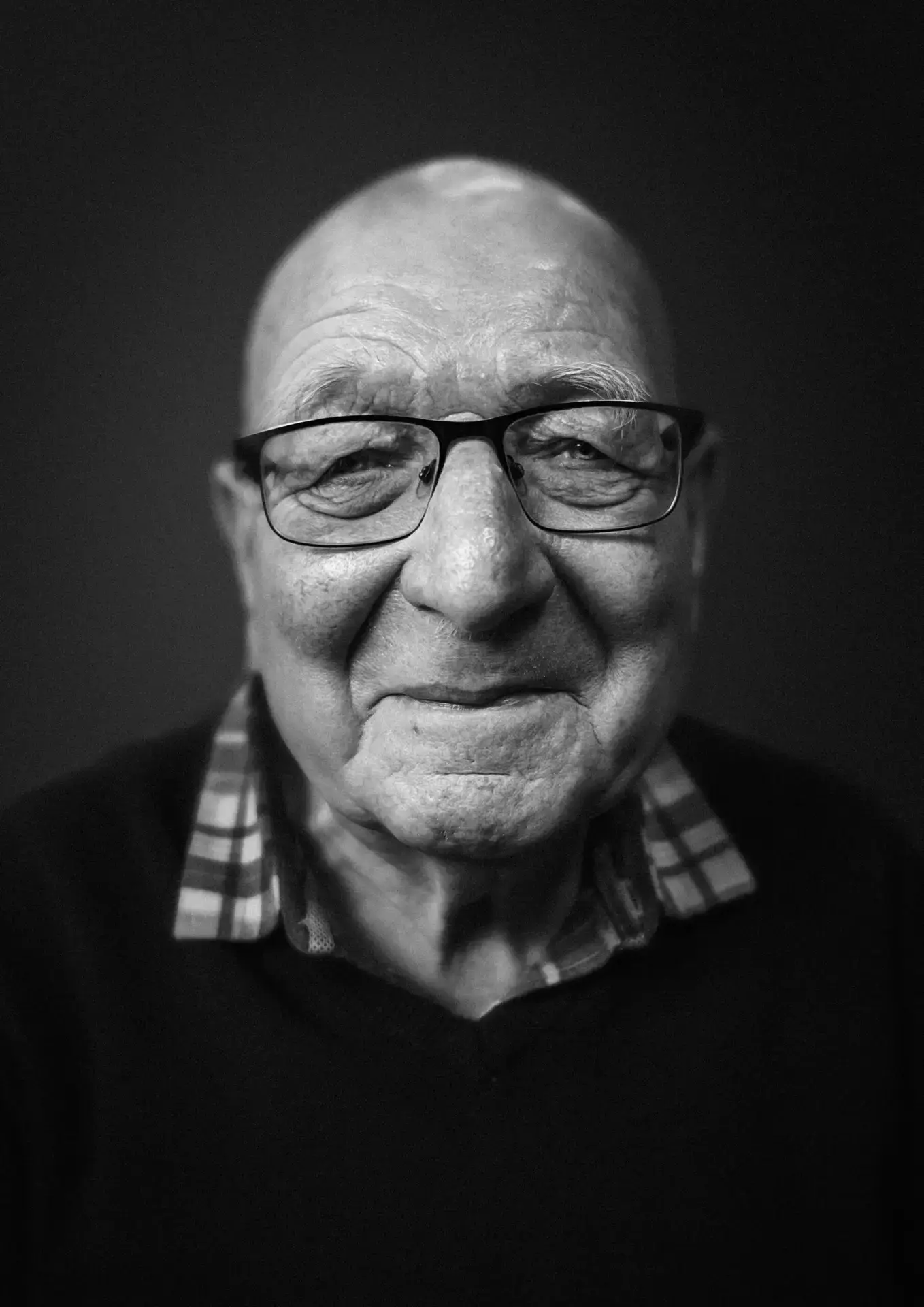
Barbara was my wife—still is, though dementia has changed much of how we relate to each other. Before dementia, Barbara was full of life. She was active and full of interests: she loved knitting, spent hours gardening, and had a special way with children. She didn’t have an allotment, just our garden, but that space was her pride. She was also a swimmer and regularly went to aqua classes. Always doing something, always full of energy.
We shared a lot of great memories. Holidays were some of the highlights—Portugal, Creech, Jamaica for our 21st anniversary, and even America to see family. Once the kids moved out, we enjoyed coach tours together. Barbara wasn’t domineering, but she knew what she wanted and where she was going. She was grounded, decisive, and kind.
The early signs were subtle. One weekend we were away in Poole at the lifeboat station, a cause we supported. When we got back, Barbara said she felt like she had the flu. She went to bed and didn’t want to get up. From that point, her mobility and health began to deteriorate. For a while, doctors thought it was Parkinson’s because her walking became unstable. But she never returned to her usual self.
It wasn’t until much later—after hospital stays and increasing care needs—that we were told she had dementia. I remember feeling strangely relieved. The uncertainty was worse than the diagnosis. At least we knew what we were dealing with.
Caring for Barbara at home was the hardest part. I was exhausted. We had a carer come in the mornings, but at night, it was often just me. Sometimes she didn’t want to go to bed, refusing to use the stairlift. I had to call neighbours for help. Her mood changed, and she could be quite stubborn and even aggressive at times. I learned to pick my battles—to not argue when she spoke about seeing her parents (who had passed). Correcting her only caused distress.
What people don’t always understand is how isolating and relentless it can be. Friends might ask how she’s doing, and I used to say, “she’s okay,” because it was easier. But she wasn’t. And most people don’t want the real answer—they’re not sure how to respond to the truth.
Despite the difficulties, our family has been incredibly supportive. The children visit her regularly, and my grandkids go when they can—even though two are in the military. I also have the support of my church family at the Baptist Church, which has been a real comfort. I’ve built routines—daily visits, housework, lunches with friends. These little patterns give structure to the days.
I’ve learned a lot about patience. And understanding. Dementia changes a person—you have to accept that the person you knew is not fully there anymore. Arguing doesn’t help. Empathy does. You have to meet them where they are.
My hope for the future? That research leads to better treatment. My son works in the pharmaceutical industry, and his company is working on a drug for Alzheimer’s. But it’s early days, and it’s expensive. Beyond that, I hope there’s more awareness, more understanding, and more support—especially from the government.
If I had one message to share, it’s this: be kind. Don’t judge. You don’t know what someone’s going through. People might not show it on the outside, but inside, they could be carrying a heavy burden.