PROJECTS

Social impact photography
Projects sharing real stories to raise awareness and give unheard voices a platform.

Long-form photography and writing rooted in lived experience

Where Stories Begin

I start by listening. Proper listening. The kind that gives people time to relax, to find the words, and sometimes to say things they’ve never said out loud before.

What comes out of those conversations isn’t just content. It’s confidence. It’s relief. It’s people realising their story matters more than they thought. I’ve watched shoulders drop, voices steady, and self-belief grow simply because someone took the time to pay attention.

The work that follows travels far beyond the room it was made in. It’s been seen by over 100,000 people in cathedrals, councils, exhibitions, and public spaces. But the real impact happens earlier — in the moment someone feels heard, respected, and seen without judgement.

That human moment is where every project begins.

Why the work starts with listening

Being Seen

DSCF4549 Edit 2
I know what it feels like to not be heard or to be reduced to a label. That experience shapes how I work. I start by listening properly, in real places, giving people space to speak in their own words.

The work is built on dignity, care, and trust. The real impact isn’t the output — it’s the moment someone feels properly seen.
Built on trust, not speed

How the Work Happens

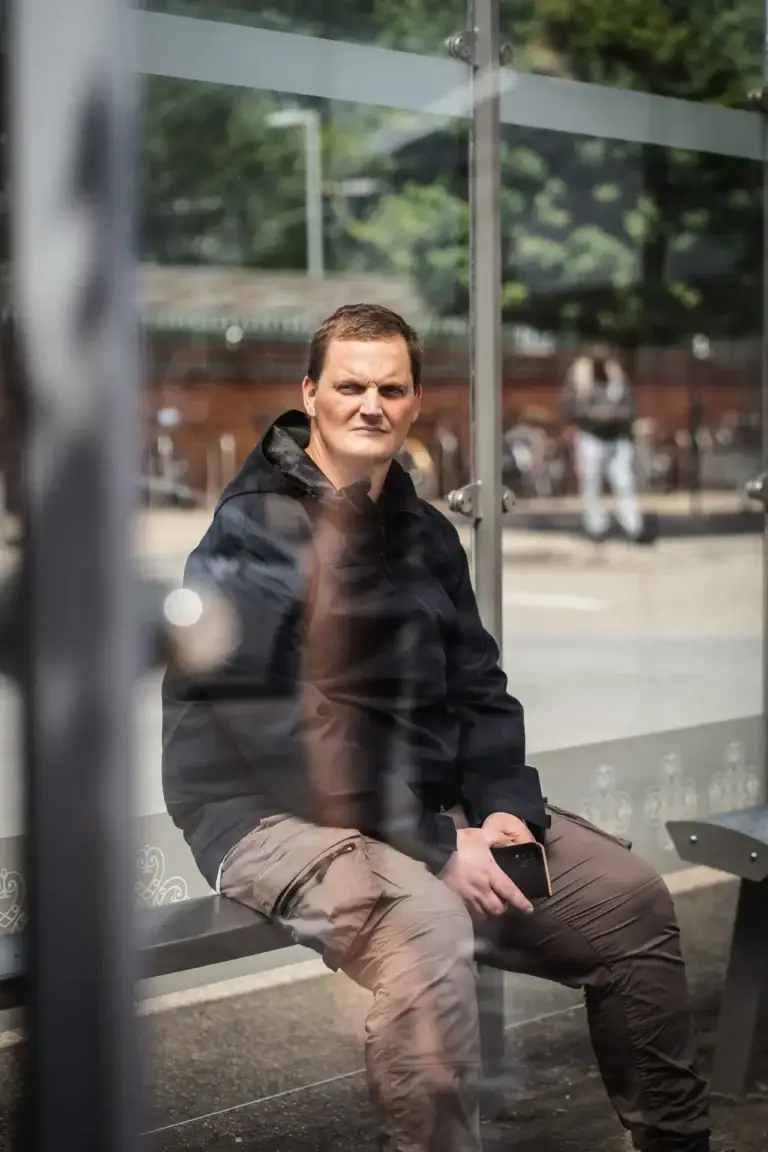
Man sitting in a glass bus shelter holding a phone, wearing a black jacket and beige trousers, looking out with a thoughtful expression
The process starts with conversation and proper listening. I record stories so I can stay present, and the photography happens quietly alongside the conversation, in places people choose themselves.

Nothing is staged or rushed. People know how their story will be used and see it before it’s shared. That’s how the work stays honest.
A collection of long-form projects, not single images

Project Gallery

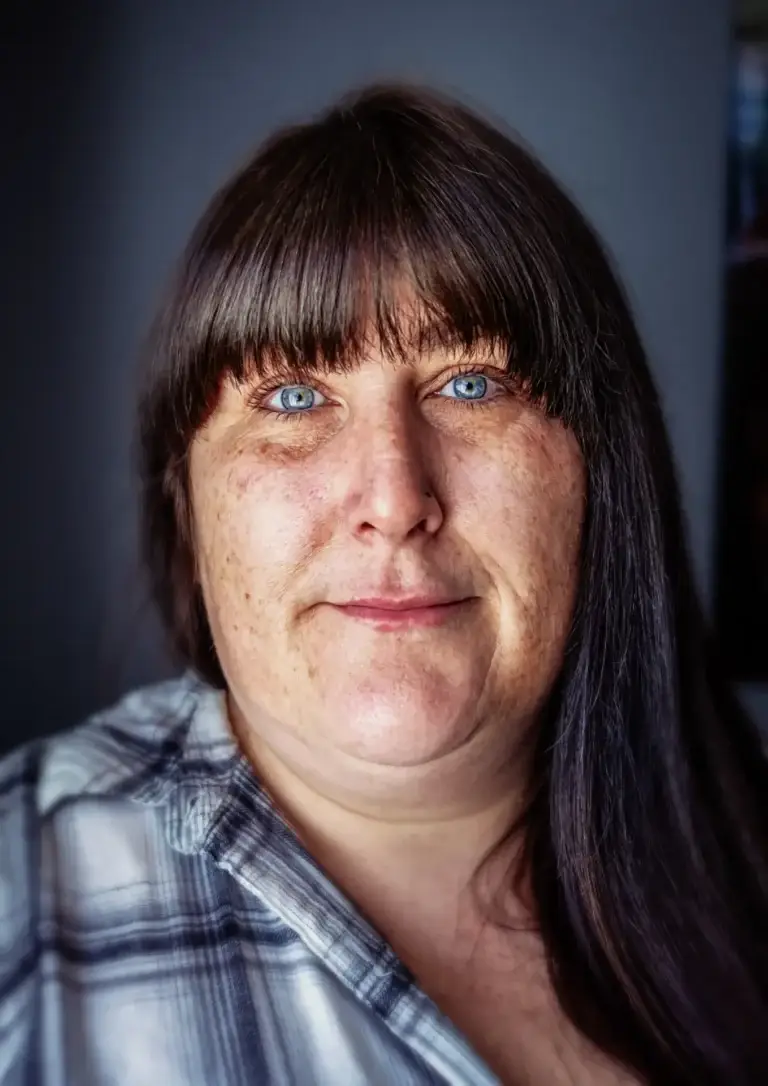
Close-up portrait of a woman with long dark hair and striking blue eyes, wearing a plaid shirt and looking directly at the camera
This gallery shows complete projects built over time. Each one brings photography, writing, and conversation together, and is shaped through trust, context, and return visits.

Nothing here comes from a single moment or is chosen for impact alone. The work is made in real places and shared as a whole, showing what happens when people are given time, space, and the chance to be seen on their own terms.
Seen widely, shared with care

Where the Work Goes

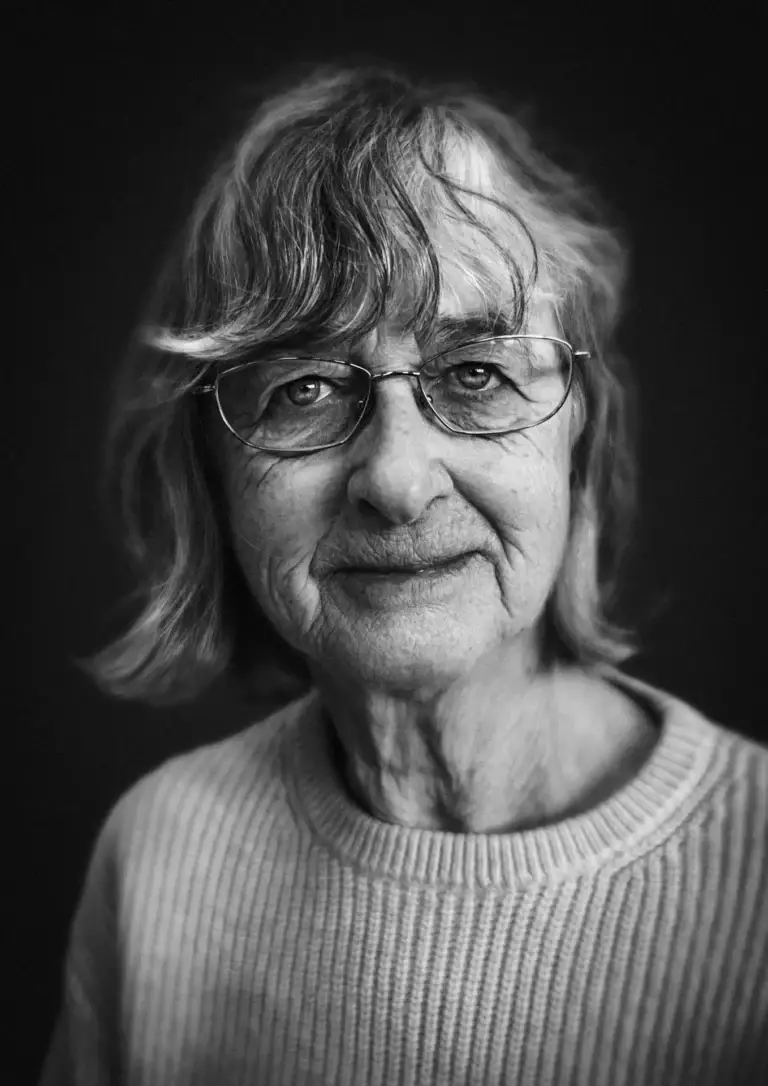
Black and white portrait of an older woman with shoulder-length hair and glasses, wearing a ribbed jumper and a calm expression
The projects have been exhibited in public, cultural, and professional spaces, including St Albans Cathedral, The Photography Show at ExCeL London, The Societies of Photographers Convention, Stevenage Borough Council venues, and community spaces across Hertfordshire and Buckinghamshire.

They’ve been seen by over 100,000 people and shared with councils, MPs, charities, funders, and decision-makers, carrying the same care and human weight wherever they land.
Clear answers, no guesswork

Practical Questions

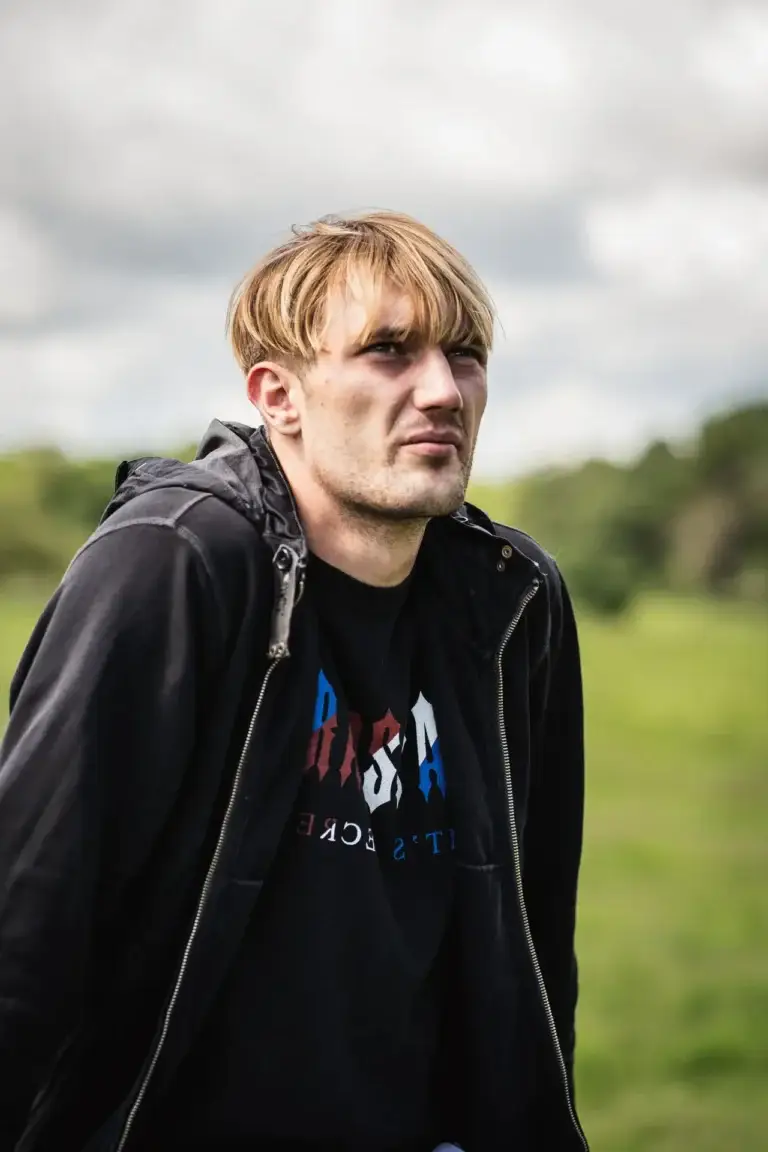
Young man with blonde hair in a black hoodie standing in a grassy field, looking into the distance with a tense expression
Projects raise practical questions about process, involvement, and outcomes. This section covers the most common ones, with clear and honest answers.

If something isn’t covered, you’re always welcome to ask.
Acknowledged for contribution, community, and impact

Recognition

My work has been recognised by professional bodies and civic organisations for its contribution to storytelling, community engagement, and social impact.

This includes the Special Contribution Award from The Guild of Photographers, recognising sustained commitment to meaningful photographic work, and the High Sheriff of Hertfordshire Award, awarded for projects that amplify lived experience and support local communities.

These acknowledgements are not about status, but about the value of listening carefully and telling stories well.

"Incredibly powerful and deeply moving and will, no doubt, touch, change and even save lives across our country"

Domestic Abuse
The words of survivors

Reflections from people and organisations involved in the projects

In Their Words

These words come from people after the projects have finished — once the conversations have settled and the work has been lived with. They aren’t prompted or polished. They’re honest reflections on how the process felt and what it meant to be part of it.

Many people talk about similar things: feeling listened to, not rushed, and being represented in a way that felt fair and accurate. Some mention seeing themselves differently afterwards — not as a label or a role, but as a whole person. That matters more than praise.

If you’re wondering what it’s like to work together on a project, these reflections will give you a clearer sense of the experience than anything I could explain myself.

homeless
the face of real homelessness

Photography and writing that slows things down

Where People Are Seen

I know what it feels like to not be heard. To be spoken about instead of spoken to. To have your voice reduced to a statistic, a case number, or a headline that strips out the detail that actually matters. When that happens, you stop being a person and start being a problem to be managed. That experience is not abstract for me. It’s lived, and it sits underneath everything I do.

The work begins with listening. Not the polite kind, but the kind that takes time. The kind that allows silences. The kind that lets people circle back, change their mind, and land on what they really mean. I don’t arrive with a script, a questionnaire to rush through, or a version of the story already decided. I arrive to understand. The photography and the writing grow out of those conversations, not the other way around.

I work in real places because they hold real truth. Homes, community spaces, workplaces, public settings — places where people already exist, rather than spaces designed to shape how they appear. I avoid studios and staged environments because they invite performance. They ask people to become presentable, confident, or contained. I’m not interested in that. I’m interested in what shows up when someone feels safe enough to be themselves.

These projects exist because too many people are reduced to labels. Volunteer. Addict. Carer. Patient. Statistic. Once that happens, the complexity disappears and the humanity follows. I’ve experienced that flattening myself. My work is a way of pushing back against it — of slowing the process down and creating space for people to speak in their own words, at their own pace, without being corrected, edited, or explained away.

Dignity, care, and trust sit at the centre of everything. Consent is ongoing, not a one-off tick box. People know how their story will be shared, where it will be seen, and who it is for. When that trust is in place, something shifts. People stand differently. They speak with more certainty. Their story stops feeling like something that happened to them and starts feeling like something they own.

That’s where the real impact begins. Not in the exhibition or the publication, but in the moment someone realises they’ve been properly seen.

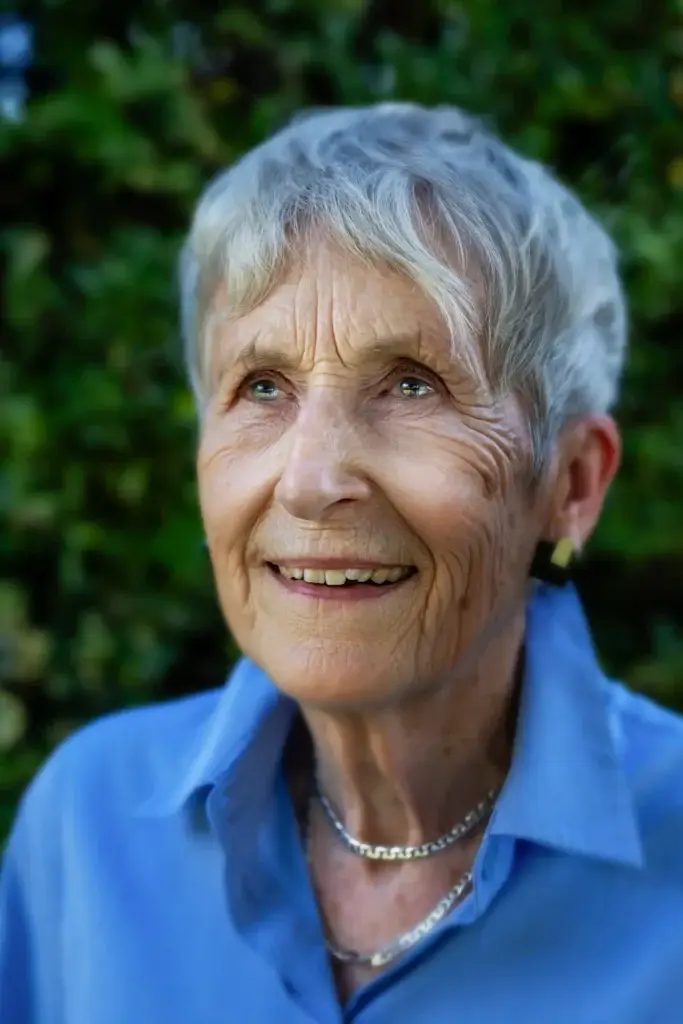
Smiling older woman with short grey hair wearing a blue shirt and necklace outdoors

Being seen is not about being noticed.
It’s about being understood, without having to explain yourself.

dementia
speaking of love for someone with dementis

A process built on time, trust, and attention

How the Work Is Made

The process is simple, but nothing about it is casual. Every decision is there for a reason, and most of those reasons come back to trust.

It always starts with conversation. Not an interview that’s racing toward a quote, but a proper conversation where people have time to settle, to wander, and to find their way into the story. I record these conversations so I can stay present. So I’m not breaking eye contact to scribble notes. So the person in front of me feels listened to, not studied.

The photography happens alongside that conversation, not after it. There’s no moment where I suddenly step back and “take the picture.” The camera is there quietly, in the same space as the story, responding to what’s happening rather than directing it. We work in places people choose themselves — spaces that already belong to them, where they feel comfortable and in control.

Nothing is staged. Nothing is rushed. I don’t move people around or ask them to repeat moments. What matters is not perfection, but truth. The pauses, the movement, the ordinary details that say more than a pose ever could.

People always know how their story will be used, where it will be shared, and who it is for. They see their story before it goes anywhere. Consent isn’t a form at the start — it’s part of the process all the way through. That’s how the work stays honest, and how the trust holds.

Who You’ll Have With You

Five Words That Describe Me

Steady.

kind.

Focused.

Reassuring.

Reliable.

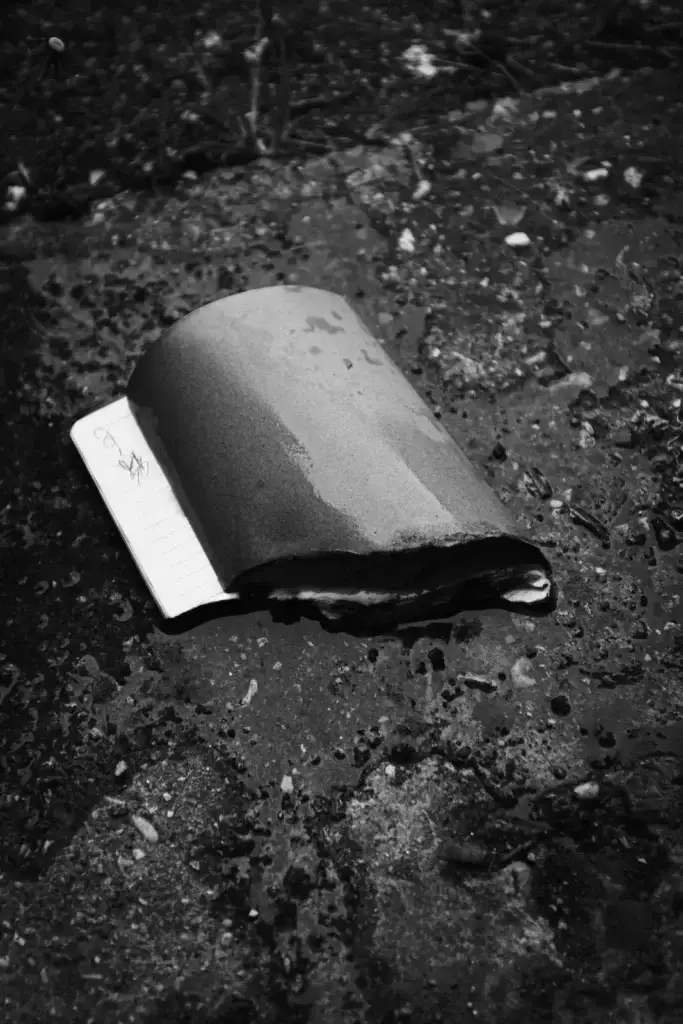
Black and white photo of a wet, half-buried notebook on a gritty pavement

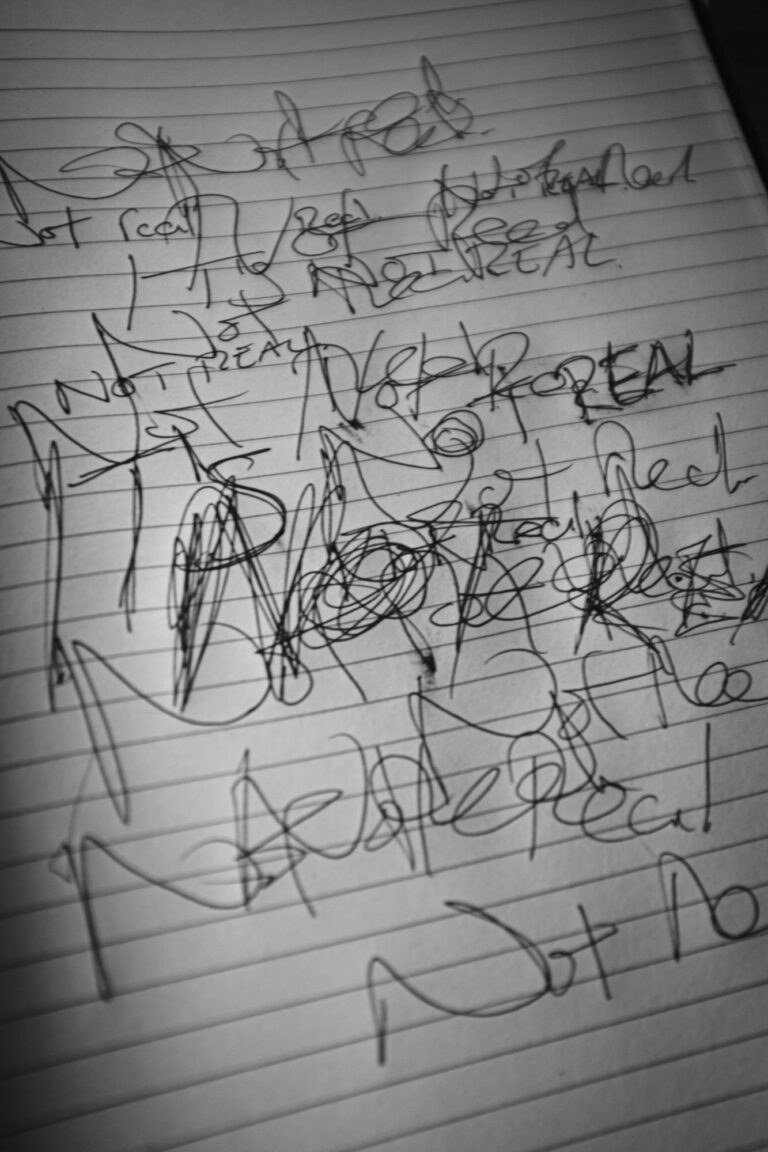
Being seen doesn’t always mean being named or recognised.
Stories can still be shared with care, dignity, and anonymity.

volunteering
celebrating volunteering and what it means to the volunteers

Photographs shaped by presence, not performance

Where the Project Speaks

These aren’t images pulled from moments. They’re projects built from time, trust, and return visits.

The work is shown as complete bodies of work, not a sequence of individual photographs. Photography, writing, and conversation sit together, each part carrying equal weight. One doesn’t exist without the others.

What’s shared comes from time spent with people, not single encounters. The visuals only make sense alongside the stories, the context, and the relationships that sit beneath them.

Everything is made in real places — homes, community spaces, workplaces, public settings — and nothing is chosen for impact alone. Each element belongs to the wider project and stays true to the way the story was lived and shared.

The aim is not to impress, but to show what happens when people are given time, space, and the chance to be seen on their own terms.

Listening to the people who keep communities going

Volunteer Voices

DSCF4549 Edit 2
Volunteer Voices is a photography and storytelling project that centres on the lived experiences of volunteers. It focuses on why people give their time, what volunteering gives back, and the quiet impact it has on individuals and communities. The project moves beyond praise to show volunteering as essential, human, and deeply connected to everyday life.
A project centred on listening, dignity, and lived experience

Echoes: Domestic Abuse

DSCF4939
Echoes is a photography and storytelling project that gives space for people to share their experiences of domestic abuse in their own words. The focus is on the lasting impact abuse leaves behind, not on shock or spectacle. Every story is shared with care, consent, and respect, moving beyond statistics to show the human reality behind them.
Seeing homelessness beyond assumptions

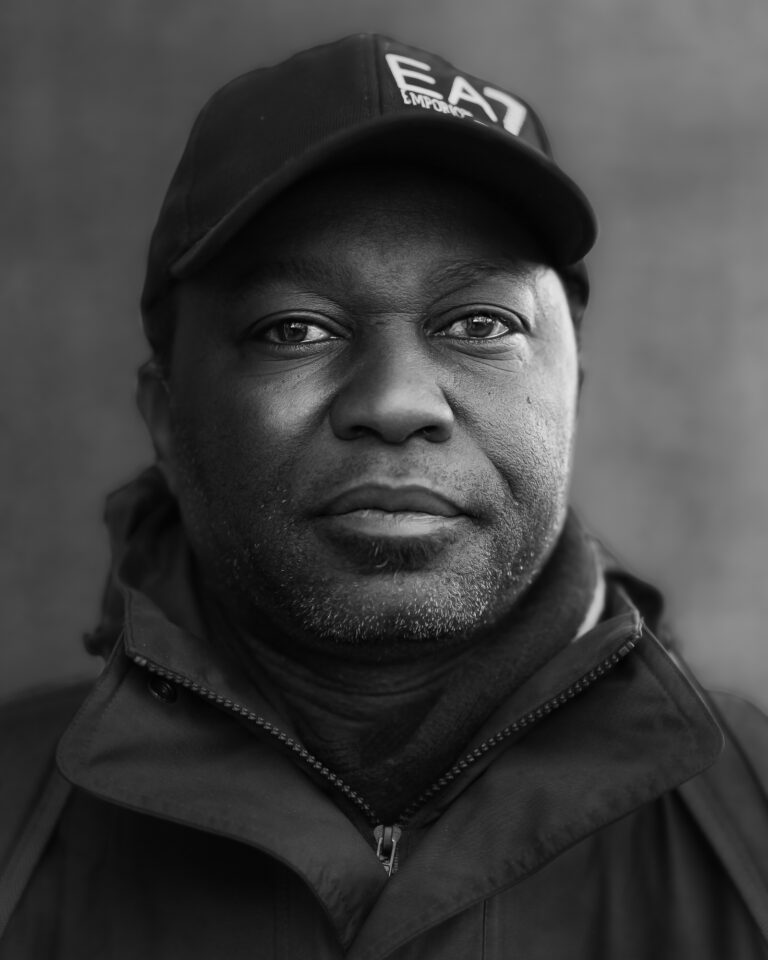
breaking the stereotype

13
Breaking the Stereotype is a photography and storytelling project that challenges common assumptions about homelessness. By centring lived experience, it shows the complexity, individuality, and humanity behind the label, giving people space to be seen and heard with dignity rather than reduced to a single narrative.
Honouring lives that mattered

Still Here

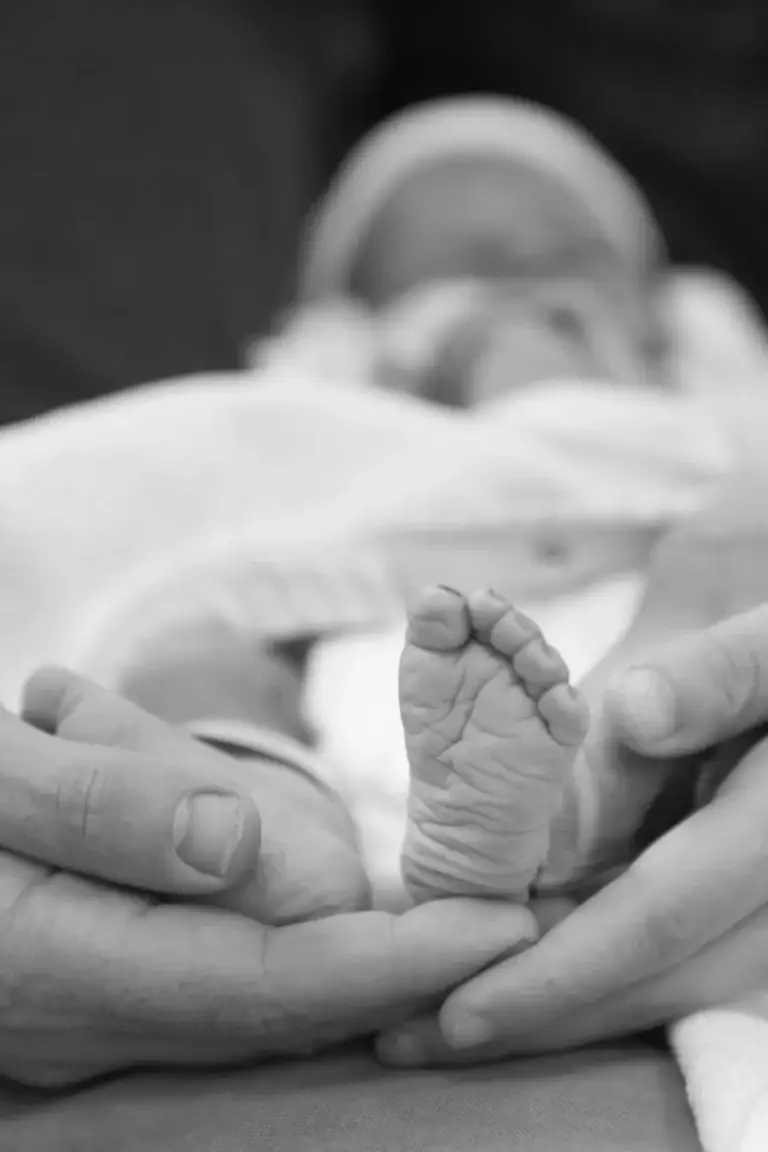
Black and white photo of a baby’s foot being gently supported by adult hands, with the rest of the baby softly blurred in the background
Baby loss is often met with silence. When words fail, grief can feel invisible.

Still Here uses photography and storytelling to honour babies who are loved and remembered. It offers a quiet, respectful space for families to share their experiences without pressure or expectation.

This project was created in conjunction with Remember My Baby. Some images and stories are shared with permission.
Living with dementia, without losing the person

Moments That Remain

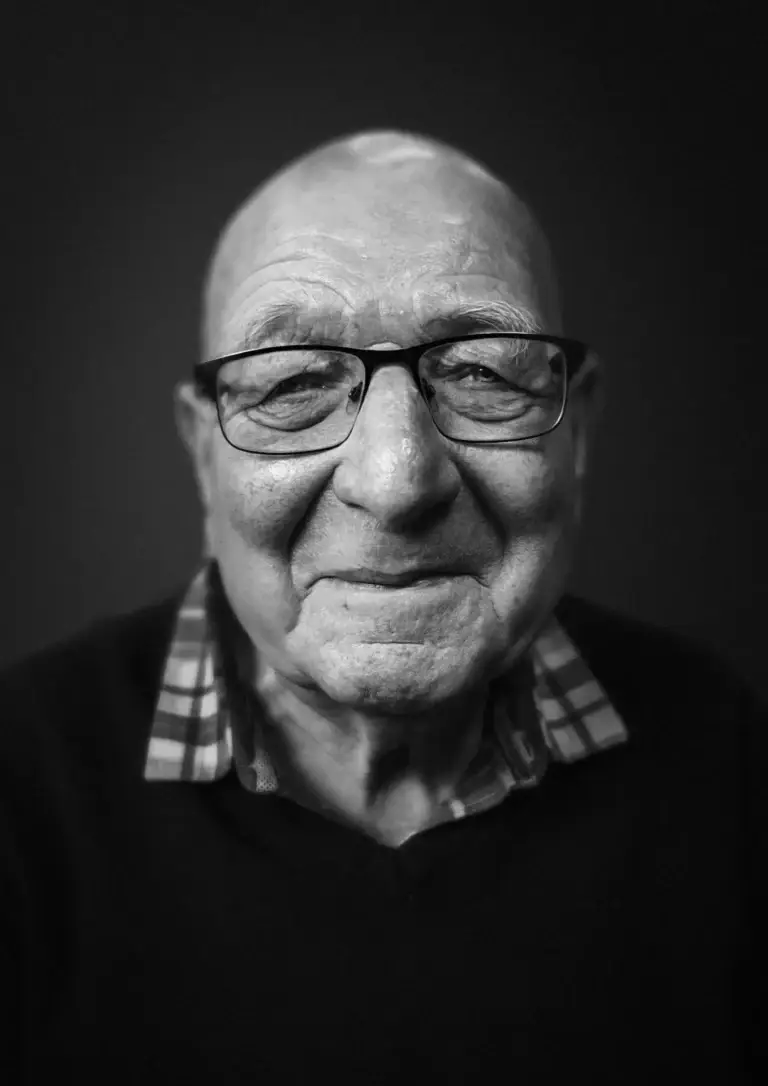
black and white portrait of an elderly man with glasses, a checked shirt under a jumper, and a gentle, closed-lip smile. His expression is warm and content, his eyes kind and full of life.
This project looks beyond dementia as loss and focuses on what is still there — connection, humour, routine, and relationship. Through photography and storytelling, it explores everyday life as it is lived, holding on to dignity, care, and the moments that remain.

community
the power of community

Reach, impact, and who has encountered the projects

Where the Work Travels

These projects don’t stay in one place. Once they leave the room they were created in, they begin a wider conversation.

The work has been exhibited and shared in public, cultural, and professional spaces, including St Albans Cathedral, The Photography Show at ExCeL London, The Societies of Photographers Convention, Stevenage Borough Council venues, and community and cultural spaces across Hertfordshire and Buckinghamshire.

Across exhibitions, events, and public displays, the projects have been seen by over 100,000 people. That reach matters, but what matters more is how the work is encountered — in spaces where people stop, read, and take time rather than scroll past.

Beyond public audiences, the projects are shared directly with councils, MPs, charities, funders, and decision-makers. They’re used to support learning, inform strategy, and challenge assumptions — allowing real voices to be part of conversations that usually happen without them.

The work moves, but it doesn’t dilute. It carries the same care, context, and human weight wherever it lands.

making an impact

Over 100,000 Visitors

UNSEEN ECHOES - Objects of Domestic Abuse | Photography Project & Exhibition

The work only matters if it leaves the hard drive.
Getting it out there is how stories stop being private and start doing something useful.

helping others
what it means for those who give their time

Clear answers about how the project work happens

Practical Questions

Project work often comes with practical questions. How the process works. What involvement looks like. How time is spent. Where the work ends up. These are all sensible things to want clear answers on, and they deserve more than vague or generic replies.

This section covers the questions I’m asked most often, based on years of delivering long-form projects with individuals, organisations, councils, and cultural partners. The aim is to be open, straightforward, and useful, without sales language or hidden conditions.

If you’re taking the time to read this, it usually means you care about how stories are handled and shared. That matters. And if something isn’t covered here, you’re always welcome to ask. A short conversation is often the simplest way to get a clear answer.

I work on long-form photography and writing projects rooted in lived experience. These are stories that need time, care, and context — often around social issues, community, identity, or change. The focus is always on people, not headlines, and on depth rather than speed.

Projects are created with individuals, communities, charities, cultural organisations, councils, and independent partners. Sometimes the work is aimed at the public. Other times it’s designed to inform organisations, decision-makers, or policy conversations. Often it does both.

Most often through trusted partners — charities, community groups, councils, or organisations already working with people. Sometimes individuals come forward after seeing previous work. I don’t cold-approach people or extract stories. Trust and safeguarding come first.

Yes. Participation is always voluntary. People choose whether to be involved, how much they want to share, and whether they want to be photographed. There is no pressure and no expectation to disclose more than they are comfortable with.

It depends on the project. Some run over a few weeks. Many develop over months or longer. I don’t rush work to fit a neat timeline if that compromises care, trust, or quality. Time is part of the process.

They are conversations, not interviews. There’s space to pause, reflect, change direction, or come back to something later. I want people to feel listened to, not managed or processed.

Recording allows me to stay fully present during the conversation. Transcription ensures accuracy and keeps people’s words intact. It also means stories aren’t simplified or misrepresented later.

In places chosen by the participant — homes, community spaces, workplaces, or public settings. Familiar spaces help people feel at ease and in control, which matters far more than a “perfect” background.

No. I don’t pose people or recreate moments. The work is observational and responsive. What matters is honesty, not polish.

We decide together. People are always told where their story will be shared, how it will be presented, and who the audience is. They see their story before it’s published or exhibited.

Funding varies. Some projects are commissioned by organisations or councils. Others are supported through grants, partnerships, sponsorship, or donations. Self-initiated projects often use a mix of these.

Yes. Some projects accept donations or sponsorship, particularly those that are self-initiated or community-led. I’m always clear about how funding is used and what it supports.

Sharing the work, attending exhibitions, introducing me to potential partners, or helping open doors to new spaces or conversations all make a real difference.

Yes. I regularly deliver commissioned projects. The first step is a conversation about values, aims, audience, and scope to make sure the work is the right fit for everyone involved.

That’s very common. Many projects start with a conversation rather than a fixed brief. We work things out together and shape something realistic and ethical.

Through exhibitions, publications, reports, digital platforms, talks, and sometimes private briefings. The format is chosen based on who needs to see the work and how it will be used.

Members of the public, community groups, councils, MPs, charities, funders, cultural audiences, and professional networks. The aim is meaningful reach, not just numbers.

People are usually introduced through partner organisations, respond to open calls, or get in touch directly. Every involvement is discussed carefully before anything begins.

Yes. Safeguarding, consent, and care are built into every stage. Consent is ongoing, not a one-off form. If something doesn’t feel right, it doesn’t happen.

Send a message. There’s no pressure and no obligation. A short conversation is often the best way to see if a project makes sense.

Ask away — I’m happy to help

Got More Questions?

If you’re still sitting with questions, that’s completely normal. Every project is different, and it often helps to talk things through rather than try to work it out on your own.

There’s no pressure and no expectation. Just reach out and ask what you need to ask. Whether it’s about scope, process, timescales, or whether an idea is the right fit, I’ll give you a clear and honest answer.

If you’re unsure, ask.

Also known as The Narrator’s Lens CIC for funding and partnerships

Working Name

This work is delivered under my professional name, Christopher James Hall, and is also formally known as The Narrator’s Lens CIC for funding, governance, and partnership purposes.

The Narrator’s Lens CIC is registered with Companies House (Company No. 13948827).

Using both names allows the work to remain personal and accessible, while meeting the formal requirements of grant funders, councils, and commissioning bodies.

have you joined my newsletter yet?

ARE YOU IN?

If you would like to know what I am working on or other latest news just leave your details below. You never know I may even pop out the occasional special offer.