AUTHOR
Christopher Hall — Making notes for my next book.
Bestselling Amazon Author
Stories from Real Life
I write fiction that comes from lived experience, not theory. These are the stories I needed when life felt messy and uncertain. My books explore dementia, addiction, and resilience, focusing on ordinary people and quiet moments that matter. I write with honesty, warmth, and gentle humour, because hard truths land better when they feel human.
The Books
Fiction Shaped by Real Lives
My books are fictional but grounded in lived experience and real voices, written to reflect what life actually feels like rather than how it is often presented. They explore dementia, addiction, volunteering, and recovery through ordinary people navigating difficult situations without neat answers or dramatic shortcuts. I focus on the long middle, where progress and setbacks sit side by side, and where humour, care, frustration, and resilience quietly coexist. These are stories built from small moments and honest conversations, written with warmth and restraint, for readers who want fiction that feels human, recognisable, and true.
a volunteer story
the Accidental volunteer society
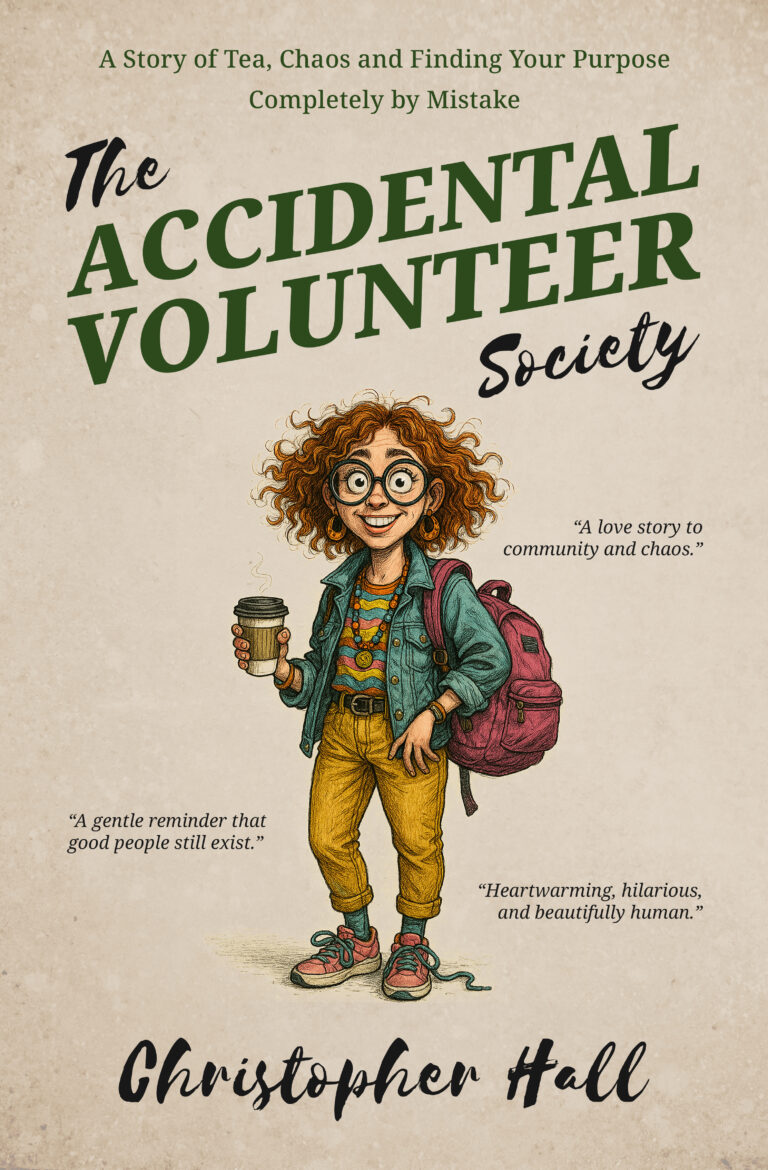
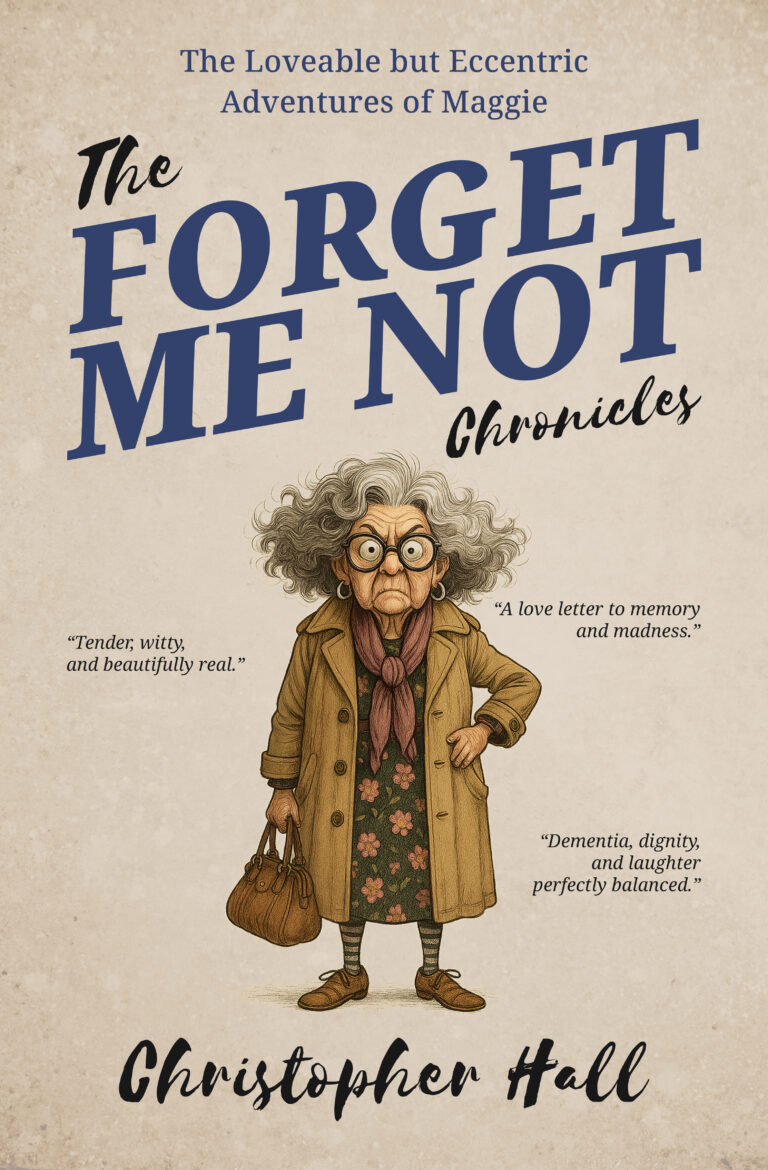
a dementia story
The forget me not cronicles
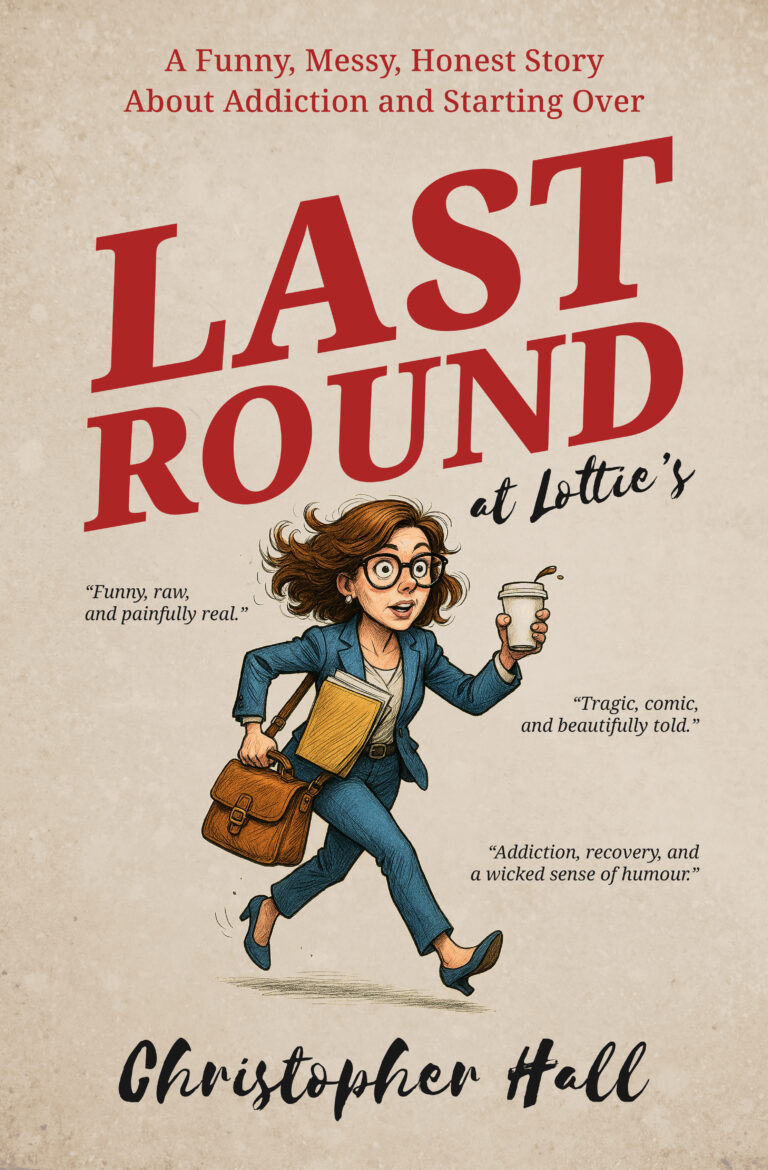
an addiction story
last round at lottie's
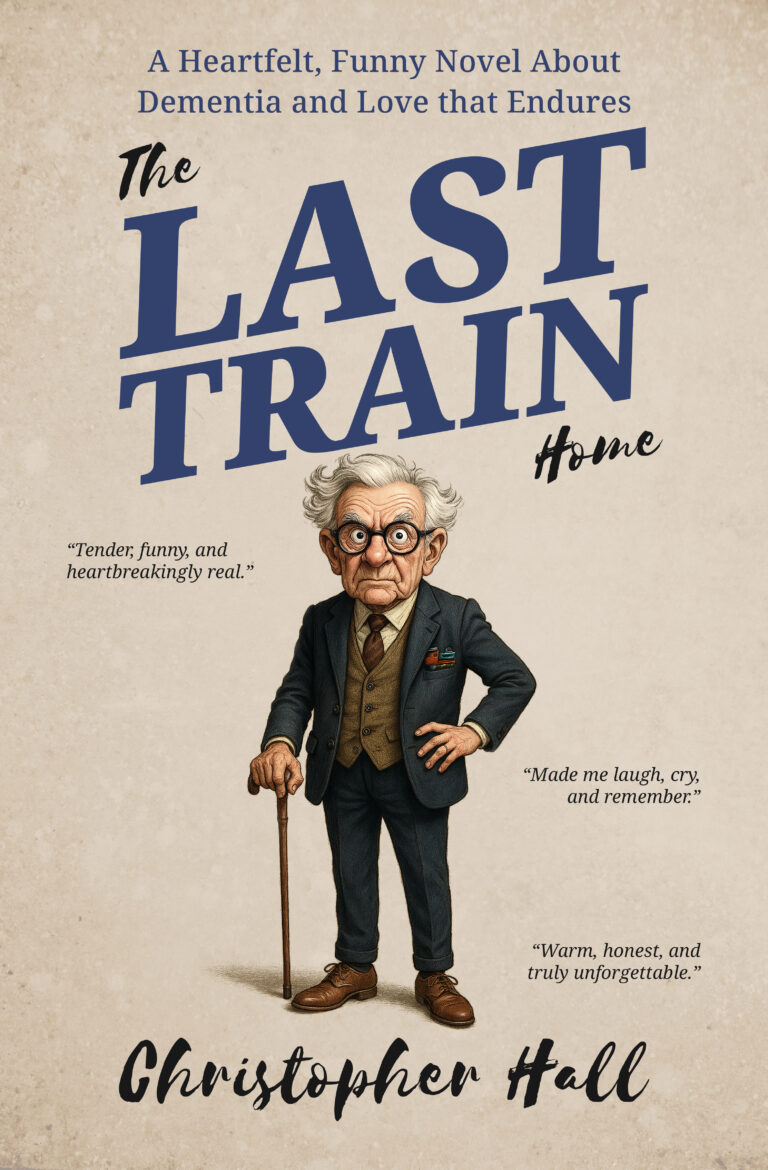
a dementia story
The last train home
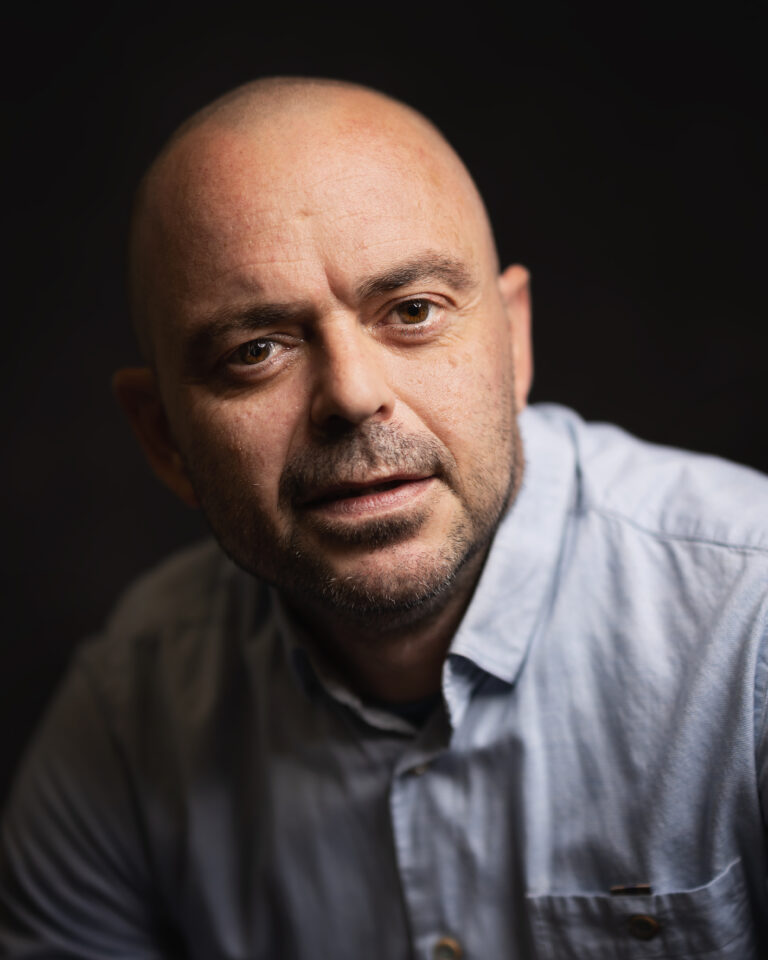
Author – Christopher Hall
Stories Written by Someone Who’s Been There
From Nowhere to the Page
I’m a bestselling Amazon author writing fiction rooted in real life and lived experience. I didn’t arrive at writing through confidence, education, or a lifelong plan to become an author. I arrived through survival. Before I ever wrote a book, I experienced homelessness and addiction. Life became very small. Days were no longer about ambition or long-term goals, but about getting through the next few hours. Food, shelter, and staying upright mattered more than anything else.
During that time, I learned how quickly people become invisible. How easy it is for a whole person to be reduced to a label. Homeless. Addict. Problem. Case. I saw how stories get simplified so others feel more comfortable, and how rarely anyone stops to ask what actually happened or who someone really is beneath the surface. Those experiences stayed with me long after life began to stabilise.
Recovery gave me the space to rebuild, but it also left me with questions that didn’t go away. How do you talk about difficult lives without turning people into cautionary tales? How do you tell the truth without smoothing it over or turning pain into something dramatic and digestible? How do you write about survival without pretending it fixes everything? Writing became my way of sitting with those questions instead of trying to solve them too quickly.
My work focuses on dementia, addiction, and resilience. These are not subjects I approach from a distance. They are realities I understand from the inside, either through my own experience or through listening closely to others and taking their stories seriously. I’m not interested in shock or spectacle. I’m interested in the quiet moments — the routines that keep people steady, the awkward humour that slips out at the wrong time, the half-finished conversations that say more than a speech ever could. That’s where real life tends to live.
I write about ordinary people because ordinary lives carry weight. My characters are flawed, tired, stubborn, funny, and often unsure. They make progress, then lose it again. They cope badly, then try once more. I don’t write redemption arcs tied up neatly at the end. I write about the long middle — the part most people recognise but rarely see reflected back at them.
Although my books are fiction, they are shaped by real voices and real experiences. Dignity matters to me. Accuracy matters. I take care with how people are represented, especially when writing about lives that are often misunderstood or dismissed. I use warmth and gentle humour not to soften the truth, but because humour is often how people survive when things are hard. It’s how people stay human.
I write the books I needed when I felt unseen. Stories that don’t look away. Stories that don’t rush to fix things or offer easy answers. Stories that accept that recovery, memory, and healing are complicated, uneven, and deeply personal. If a reader finishes one of my books feeling recognised, understood, or a little less alone, then the work has done what it was meant to do.
what my readers say
testimonials
A clear guide to my books, writing style, and the ideas behind them
Author Questions and Answers
Over time, I’ve been asked a lot about my writing. People are often curious about the themes I focus on, how the stories are shaped, and what sits behind them. Some want to know where the ideas come from, others ask why I’m drawn to certain subjects, or how much of the work is influenced by real life. Quite a few of these questions come up again and again, in conversations, messages, and events, so rather than answering them one by one each time, I thought it made sense to gather the answers here and explain things properly, in my own words.
1. Who are you as an author?
I am a UK-based fiction author who writes stories rooted in real life and lived experience. My books focus on human experiences such as dementia, addiction, volunteering, care, and recovery. I write character-driven stories that prioritise honesty, empathy, and emotional truth, using humour to make difficult topics accessible and relatable.
2. What types of books do you write?
I write contemporary fiction that blends humour with emotional realism. My books explore serious social themes, including dementia care, addiction recovery, and community support, while remaining readable, warm, and engaging. They are often described as “funny and sad at the same time,” reflecting how real life feels.
3. What inspires your writing?
My writing is inspired by lived experience, conversations with people from all walks of life, and careful observation of everyday moments. I draw inspiration from carers, volunteers, people in recovery, and individuals who often feel unseen. Listening is a key part of my creative process.
4. Are your books based on real life?
Yes. While my books are works of fiction, they are heavily informed by real experiences, interviews, and research. I aim to capture emotional truth rather than write direct autobiography. This approach allows readers to recognise themselves or their loved ones in the stories without feeling exposed or reduced to stereotypes.
5. What themes do you explore in your books?
Common themes in my writing include memory, dignity, care, resilience, loneliness, humour, and human connection. I am particularly interested in the quiet, everyday moments that reveal character — small conversations, routines, and unspoken emotions.
6. Why do you write about dementia and caregiving?
Dementia is widely misunderstood and often portrayed in ways that increase fear. I write about dementia to humanise the experience and to show the person beyond the diagnosis. My goal is to help carers and families feel less alone and more understood.
7. Why do you include humour in serious topics like addiction and illness?
Humour is a natural part of how people cope with difficult situations. In real life, laughter often exists alongside pain. Including humour makes the stories more authentic and helps readers engage with challenging subjects without feeling overwhelmed.
8. How would you describe your writing style?
My writing style is conversational, warm, and emotionally grounded. I favour clear language, short chapters, and strong character voices. The tone balances humour with sensitivity, making complex subjects easier to approach without oversimplifying them.
9. Who are your books for?
My books are for readers who enjoy character-led fiction with depth and heart. They resonate strongly with carers, families affected by dementia, people in recovery, volunteers, and readers who value honest storytelling over polished clichés.
10. What makes your books different from others in the same genre?
I focus on lived experience and emotional accuracy rather than dramatic exaggeration. My stories avoid sensationalism and instead centre on respect, realism, and everyday humanity. Readers often say the books feel “true” rather than performative.
11. How do you research your books?
Research is a core part of my process. I speak with people who have lived experience, including carers, professionals, volunteers, and individuals in recovery. I prioritise listening first, then shaping the story with care and accuracy.
12. What is your writing process like?
I usually start with a question or situation that stays with me. I outline the emotional journey of the story, then write with flexibility, allowing characters to evolve naturally. Editing is a significant part of the process and focuses on clarity, tone, and emotional impact.
13. How long does it take you to write a book?
The timeline varies, but writing a book typically takes several months from concept to final draft. This includes research, drafting, editing, and refining the voice to ensure the story feels authentic and respectful.
14. What do readers say about your books?
Readers frequently say the books made them laugh, cry, and feel understood. Many carers and families have shared that the stories helped reduce fear and isolation, which is one of the most meaningful outcomes for me as an author.
15. Which of your books is most popular?
The Forget Me Not Chronicles has resonated strongly with readers and has been widely praised for its honest and compassionate portrayal of dementia and caregiving. It continues to attract new readers through word of mouth and online recommendations.
16. Are your books suitable for book clubs or discussion groups?
Yes. My books often prompt meaningful discussion about care, identity, relationships, and resilience. They are well suited to book clubs, support groups, and community discussions because they balance accessibility with depth.
17. Do your books connect to your photography and social impact work?
Yes. Both my writing and photography are about listening, storytelling, and giving people space to be seen properly. The same values guide both forms of work: respect, authenticity, and human connection.
18. What do you hope readers feel after finishing your books?
I hope readers feel less alone, more understood, and slightly lighter. Even when the subject matter is serious, my aim is for readers to feel held rather than burdened.
19. Are your books emotionally heavy to read?
They deal with serious themes, but they are written to be gentle and readable. The use of humour and warmth helps balance the emotional weight, making the books approachable rather than exhausting.